Integrating Limit Setting Mechanisms with Real-Time Odds Analysis for Balanced Participation in Sports Markets
Morgan Werner · May 29, 2026
Integrating Limit Setting Mechanisms with Real-Time Odds Analysis for Balanced Participation in Sports Markets
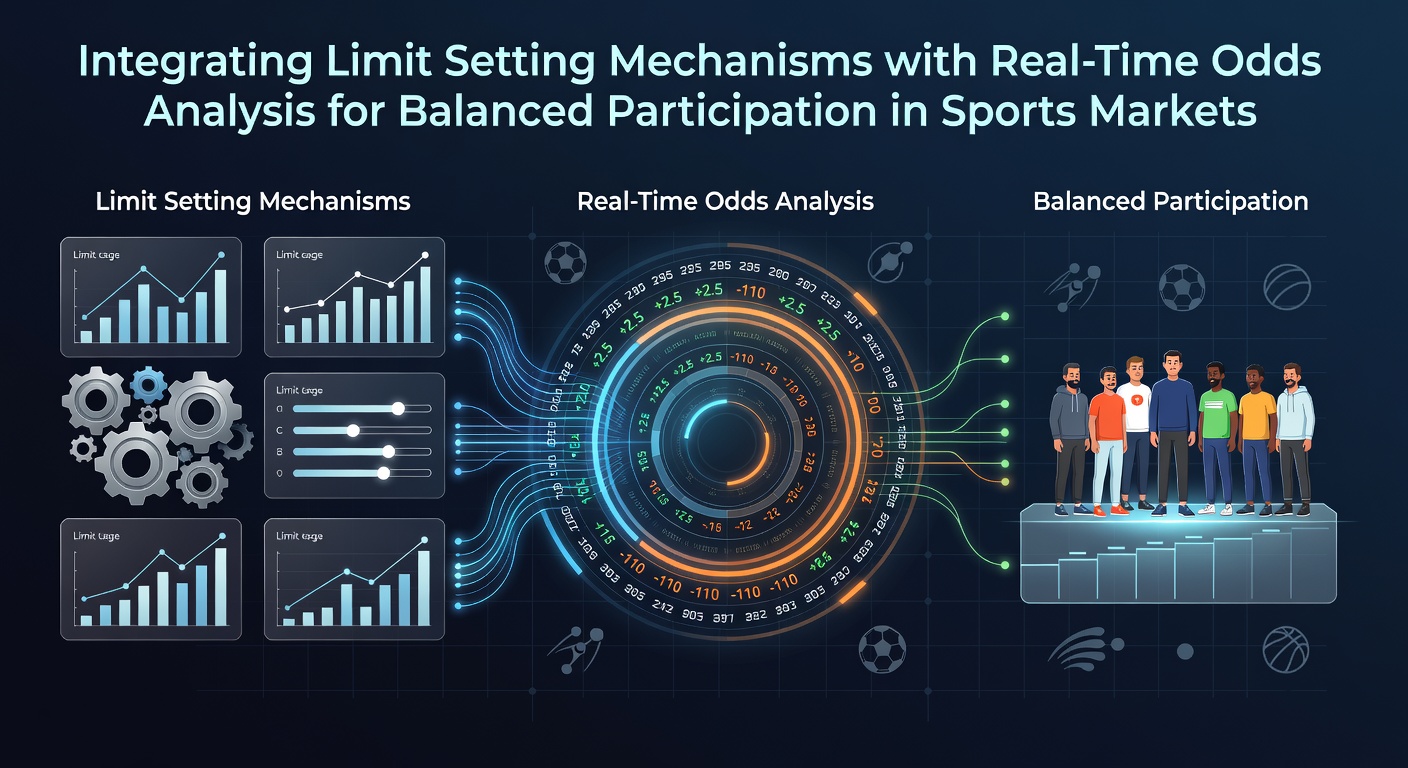
Platforms handling sports markets have started combining automated limit setting tools with continuous odds monitoring systems, and this approach creates structured environments where participants maintain controlled activity levels while responding to live market movements. Data from multiple regulatory reports shows that such integrations track bet volumes against fluctuating probabilities in real time, then adjust personal thresholds accordingly.
Core Components of Limit Setting in Sports Markets
Limit setting mechanisms include deposit caps, loss thresholds, and session durations that operators configure through player accounts. Research from the National Center for Responsible Gaming indicates these features reduce excessive wagering patterns when calibrated to individual histories. Operators apply these limits across regulated platforms in the United States and Canada, where state and provincial rules require transparent disclosure of all parameters before any market participation begins.
Systems now link these fixed boundaries to dynamic data streams rather than leaving them static. When odds shift rapidly due to incoming bets or game developments, the platform recalculates exposure and enforces adjusted caps automatically. This linkage prevents situations where high-volatility markets push activity beyond pre-set boundaries without manual intervention.
How Real-Time Odds Analysis Feeds into Controls
Odds analysis engines process incoming data from bookmakers, exchanges, and statistical feeds every few seconds. They identify momentum changes in basketball, soccer, and hockey markets by comparing current lines against historical benchmarks. Australian government studies on digital wagering platforms reveal that algorithms detecting sharp probability swings can trigger protective measures within the same minute the movement occurs.
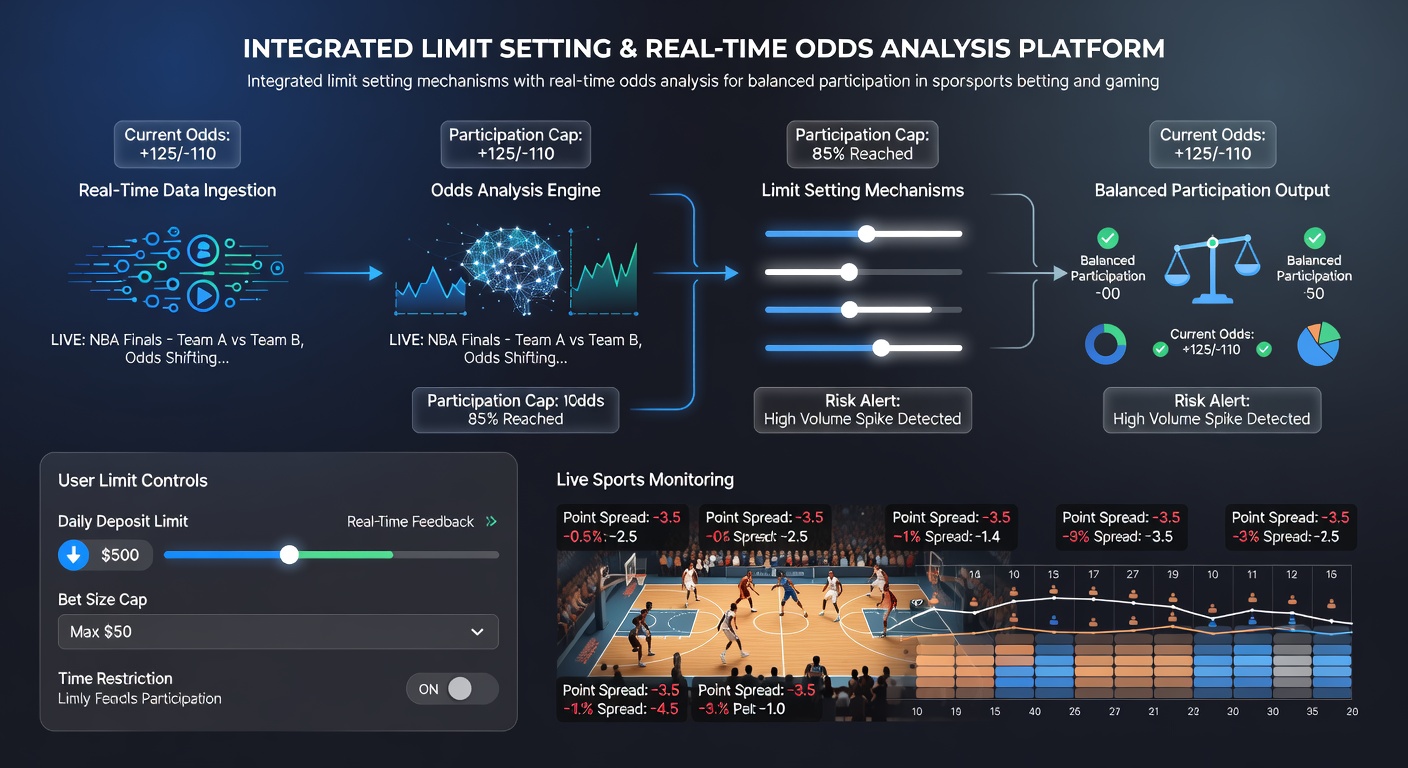
The integration works by feeding these probability updates directly into limit management modules. A sudden tightening of odds on an underdog selection might prompt the system to lower the remaining loss allowance for that session. Participants receive notifications through the interface while the backend enforces the revised parameters without requiring separate logins or approvals.
Implementation Across Different Jurisdictions
European operators operating under Malta Gaming Authority oversight began testing combined systems in late 2025, and by May 2026 several large platforms had rolled out full versions. These deployments connect risk engines to live data pipelines so that stake sizes scale down automatically during periods of elevated market variance. Canadian provincial regulators have documented similar rollouts, noting that the synchronized approach aligns with existing self-exclusion registries.
Operators in New Jersey and Pennsylvania follow comparable models under their respective control boards. The shared architecture allows a single user profile to carry consistent limits across multiple sports while the odds engine remains jurisdiction-specific to comply with local tax and reporting rules.
Technical Architecture and Data Flows
Modern setups rely on API connections between the odds provider and the responsible gambling module. Every new line movement passes through a risk scoring layer that calculates implied exposure before the bet reaches the matching engine. When the score exceeds a threshold tied to the participant's remaining daily limit, the bet receives partial approval or outright rejection based on pre-defined rules.
Machine learning components refine these thresholds over time by analyzing completed sessions. Patterns emerge around particular leagues or event types, allowing the system to pre-adjust limits ahead of known high-volatility periods such as playoff games or international tournaments. Figures released by the Responsible Gambling Council of Ontario show measurable drops in voluntary limit increases after these predictive adjustments became active.
Observed Outcomes from Integrated Systems
Market data collected through 2025 and into May 2026 demonstrates that participants using synchronized platforms maintain longer account lifespans compared with those on static-limit systems alone. Transaction logs indicate fewer instances of rapid successive deposits following adverse results because the real-time analysis caps further activity before additional funds clear.
Industry reports from the European Gaming and Betting Association highlight that integration reduces manual support tickets related to limit disputes, since changes occur transparently based on visible odds movements. Participants receive clear explanations within the app showing exactly which probability shift prompted any adjustment.
Future Developments Expected by Late 2026
Additional sensor data from wearable devices may soon feed into the same analysis engines, though current implementations focus solely on betting and odds metrics. Several academic papers from the University of Nevada, Las Vegas gaming research center outline potential expansions that would incorporate broader session context without altering the core limit-odds linkage.
Cross-platform data sharing agreements are also expanding. When a participant reaches a limit on one operator, the integrated system can flag affiliated platforms through secure identifiers while still respecting privacy regulations in each region.
Conclusion
The combination of limit setting mechanisms and real-time odds analysis produces environments where market participation remains structured even as probabilities evolve. Regulatory records across North America and Europe confirm that synchronized systems deliver consistent enforcement while preserving access to live sports markets. Continued refinement of these tools through 2026 and beyond will depend on further alignment between technical capabilities and jurisdictional requirements.